
Illicit Discharge
Know what to report and who to contact.
An illicit discharge is any discharge containing polluting material, such as sediment, nutrients, oil, or bacteria. These discharges can drain to lakes and streams via storm drains. The communities in Southeast Michigan are required to prevent illicit discharges from entering stormwater. You can do your part by notifying the appropriate agency when you spot a potential illicit discharge.
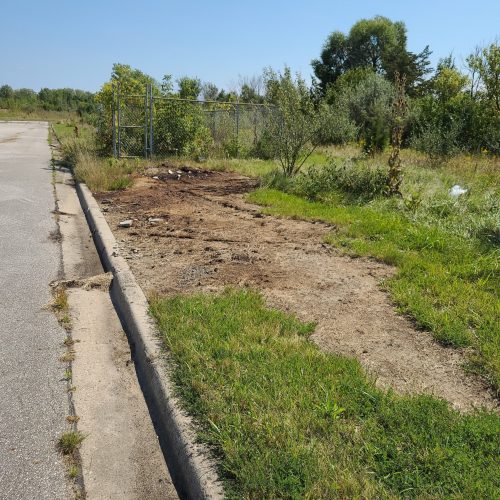
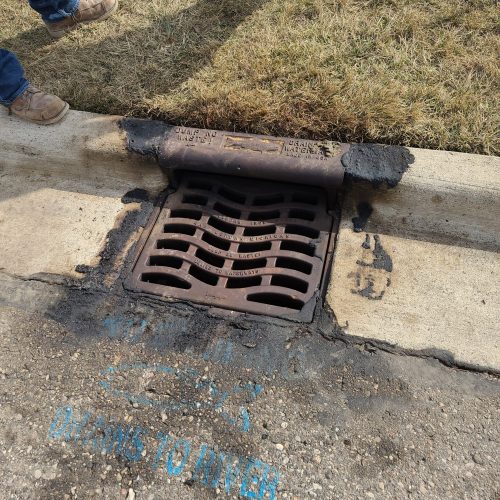
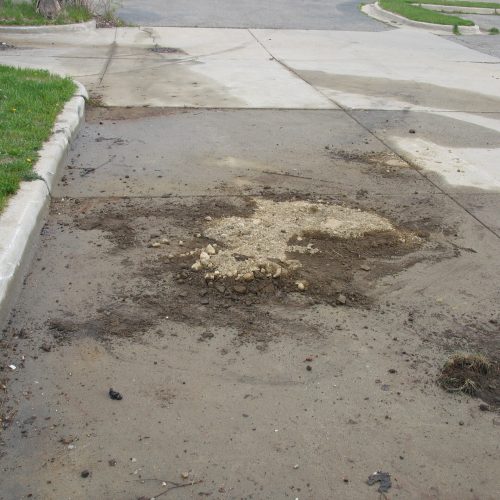
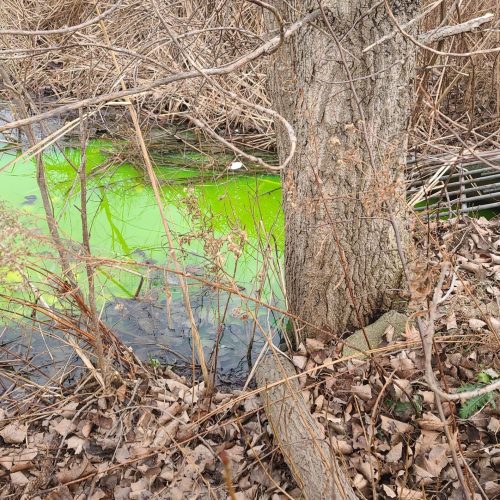
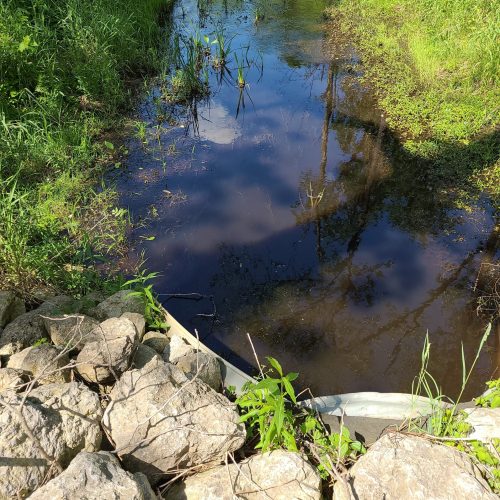
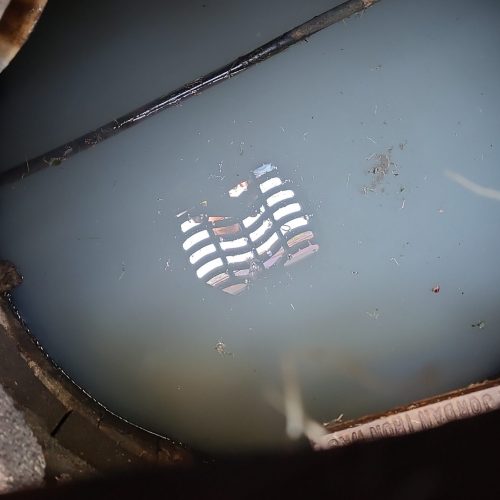
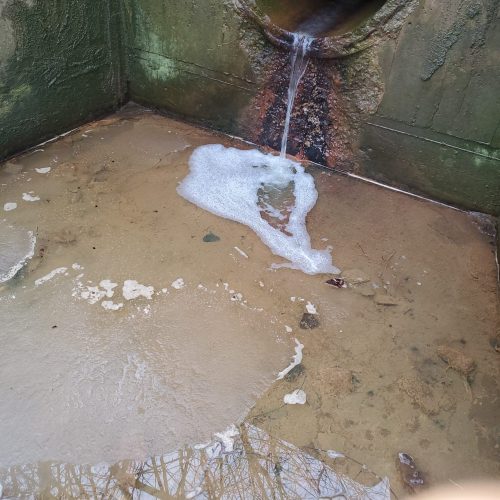
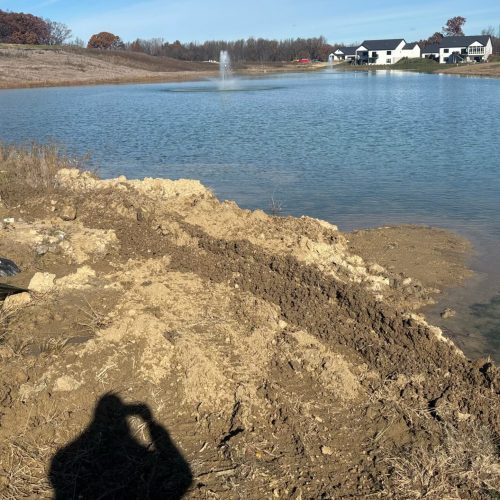
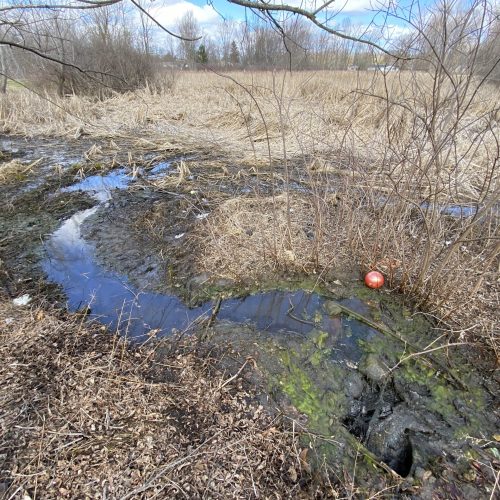
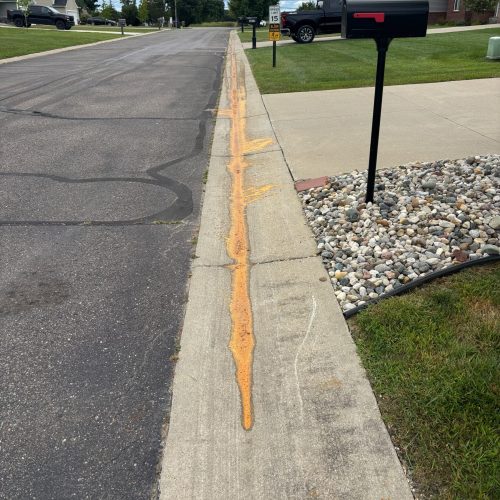
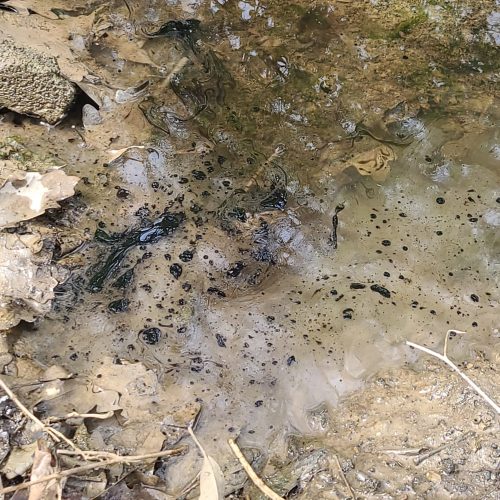
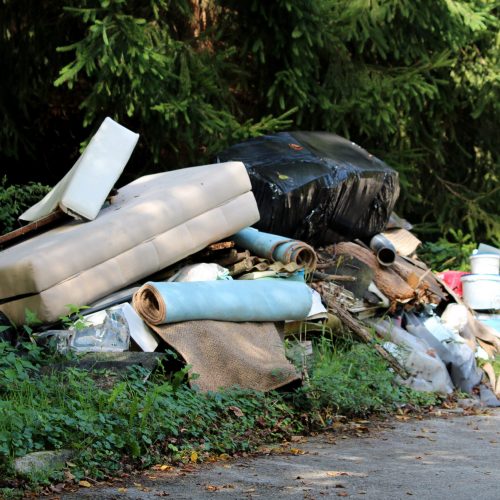
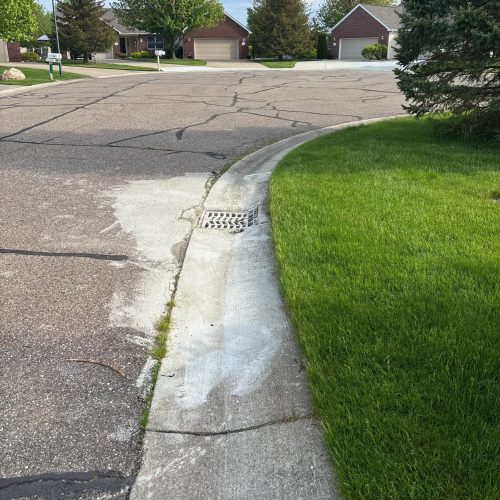
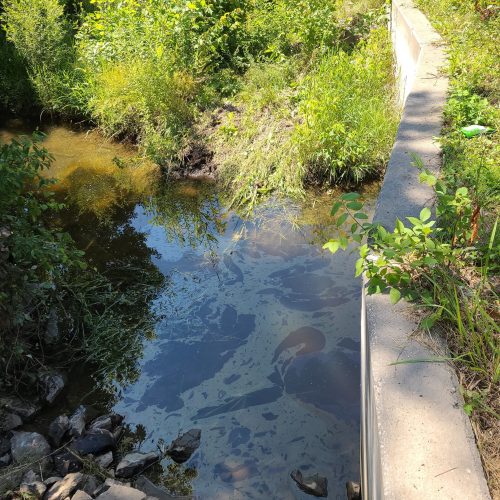
–Signs of Illicit Discharge –
Sanitary Sewer Discharges ( Photos )
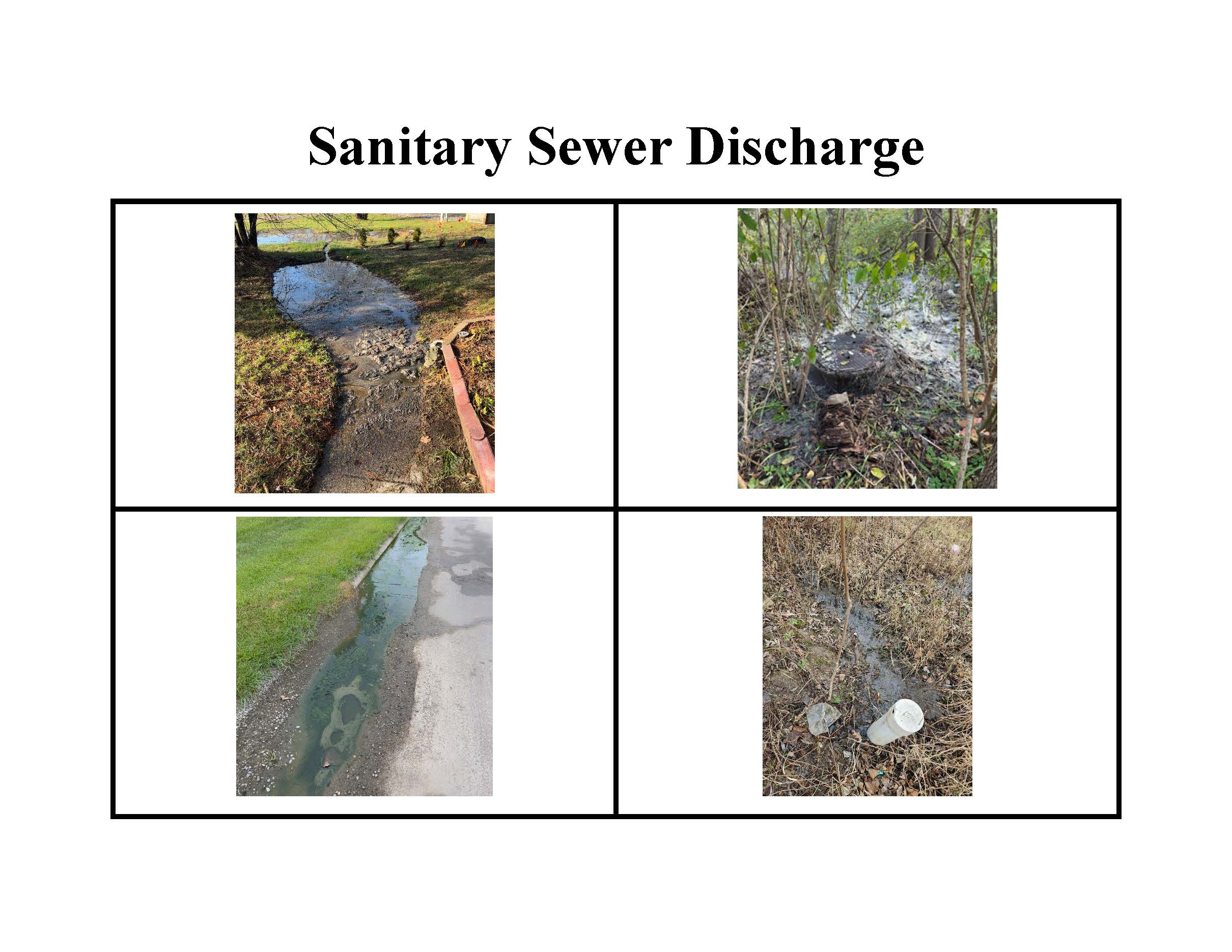
Contact the local IDEP coordinator, DPW, or GCDC-WWS with evidence of sanitary debris, stained pipes, soap suds, gray/discolored water, odors of sewage, rotten eggs, or detergents.
Failed Septic Systems ( Photos )
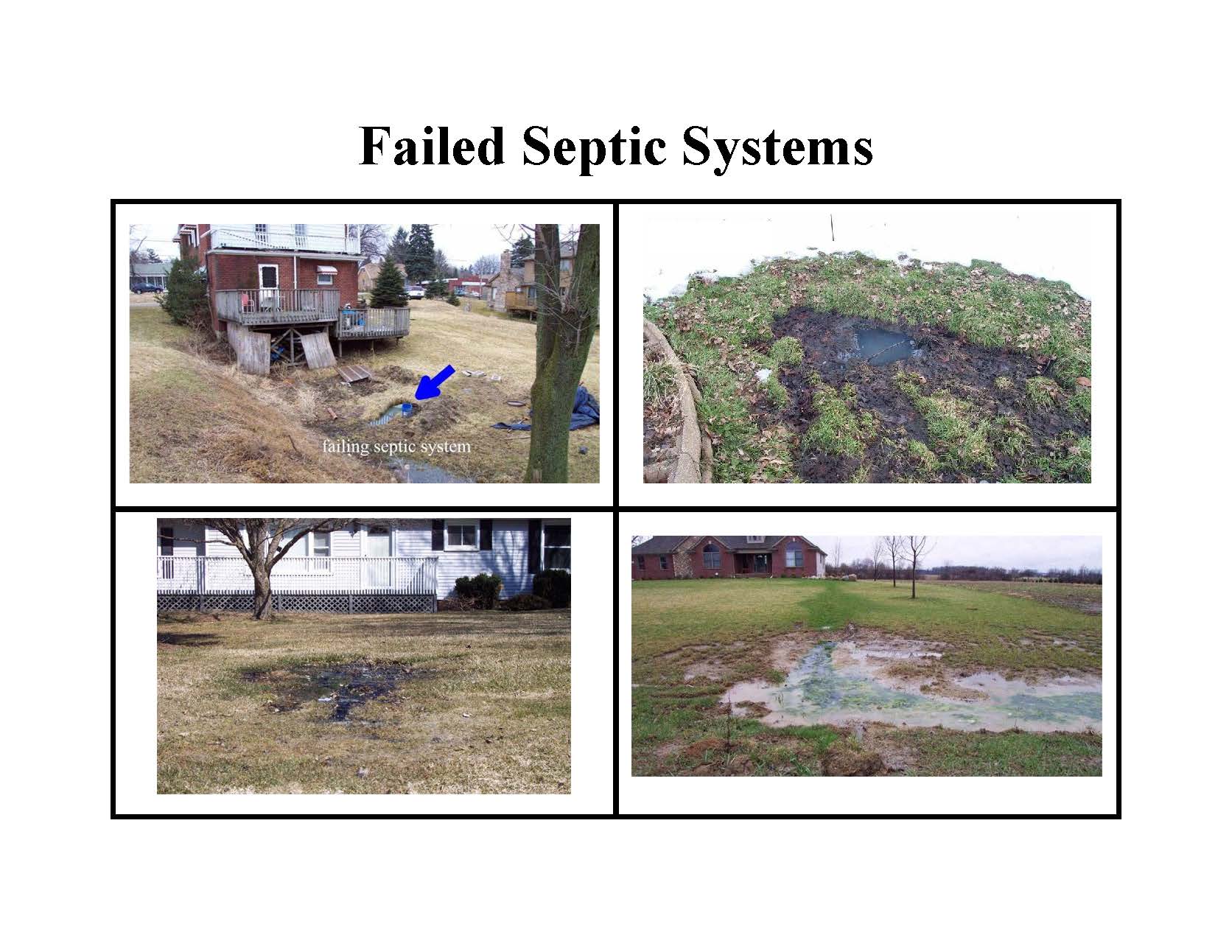
Contact your local Health Department and/or IDEP coordinator with evidence of a failed septic system. Such as overgrown or wet grass patch, cheater ditch pipe, soap suds, gray/discolored water, odors of sewage, rotten eggs, or detergents.
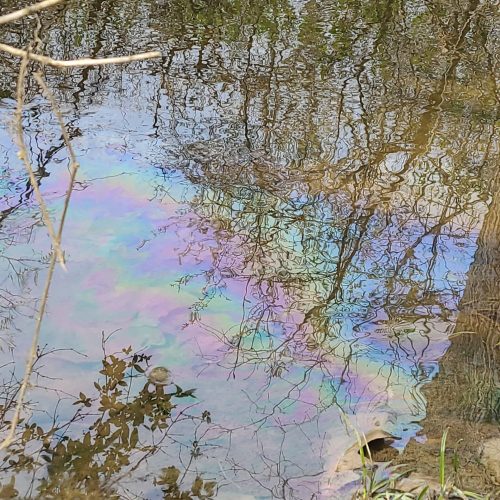
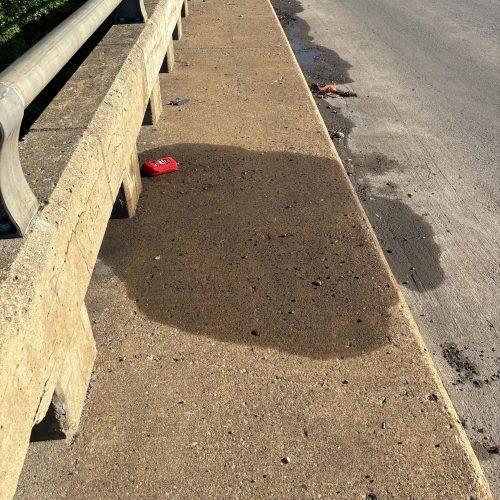
Illegal Dumping, Spills, or Floor Drain Connections ( Photos )
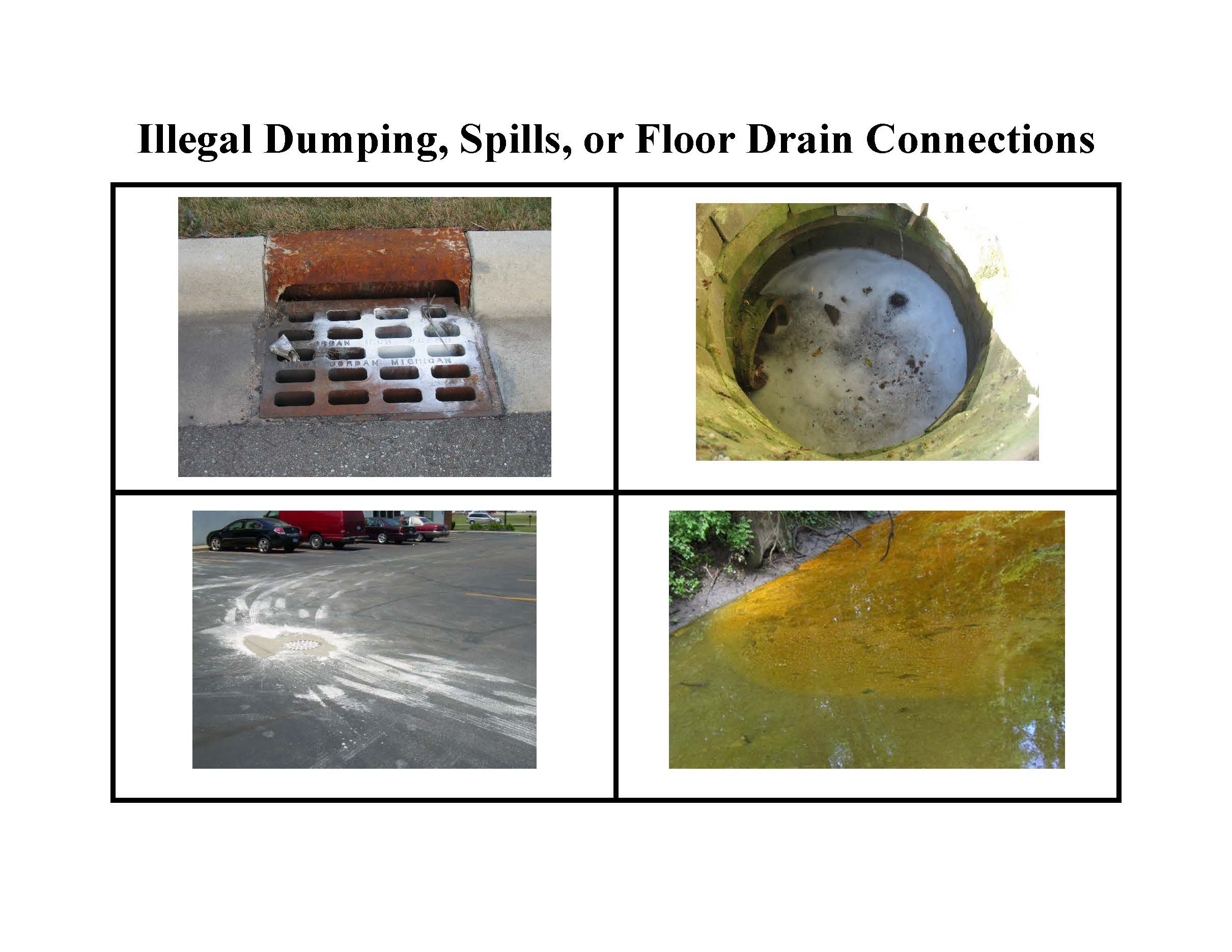
Contact the local IDEP coordinator or EGLE with evidence of oil sheen, odors of petroleum or chemicals, staining on pavement/sediment/rocks/vegetation, and suds .
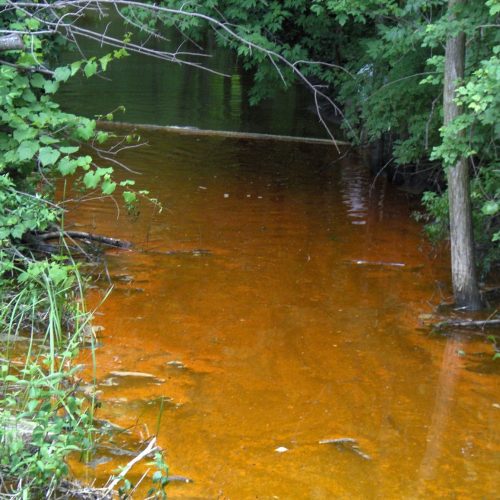
Industrial Discharges ( Photos )
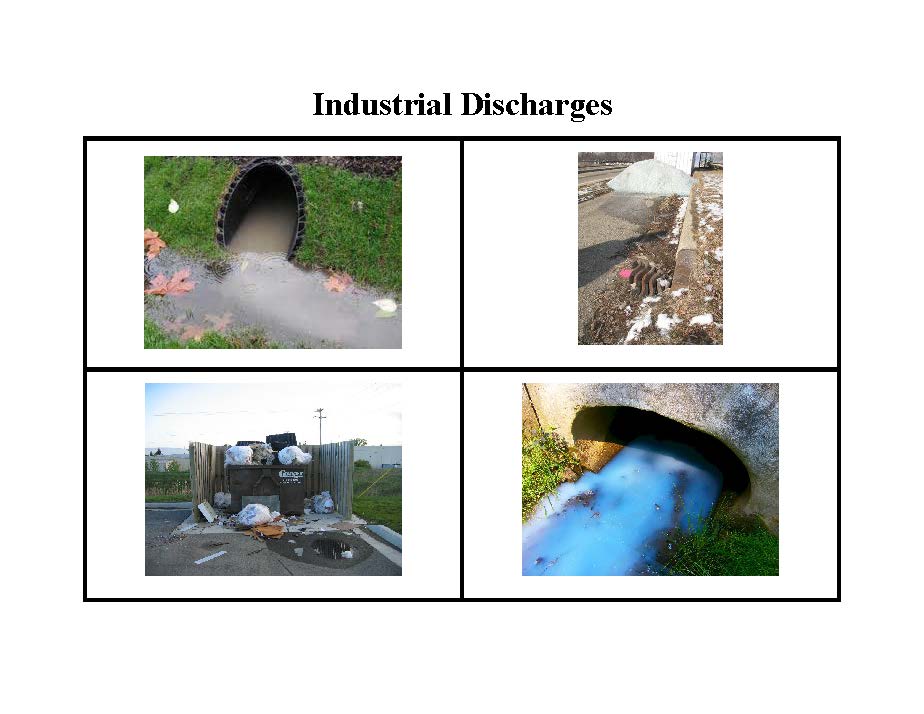
Contact the local IDEP coordinator or EGLE with evidence of discolored water or vegetation, odors of petroleum or chemicals.
Agricultural Runoff, Fertilizers, or Sanitary Sewer Waste ( Photos )
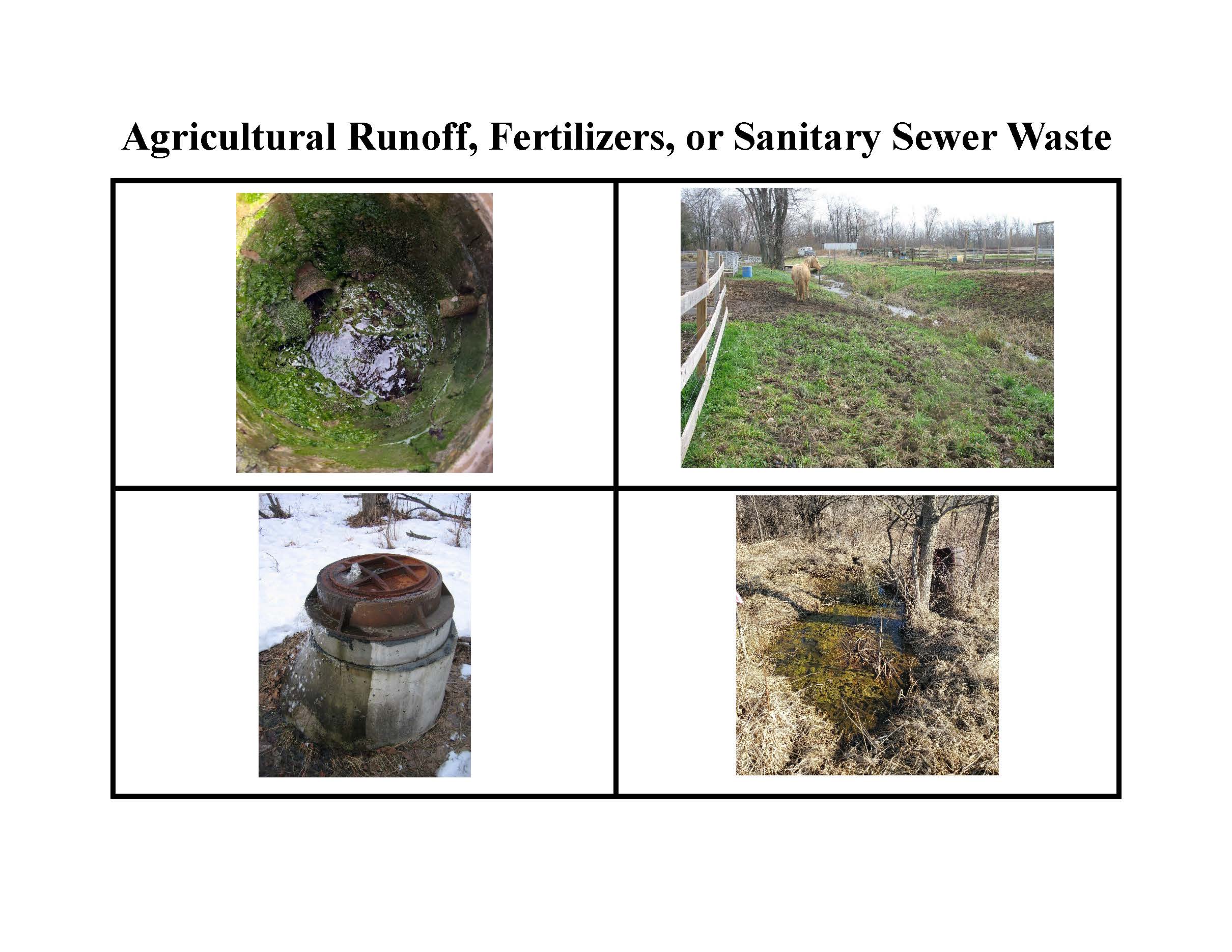
Contact the local IDEP coordinator, DPW and/or Drain Office with evidence of algae growth near drain outlet or ditch.
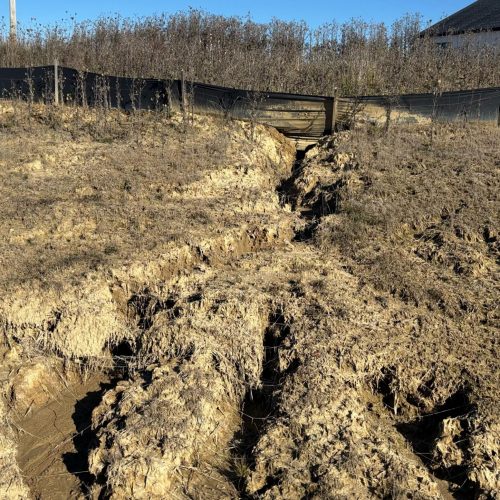
Soil Erosion from Construction Sites ( Photos )
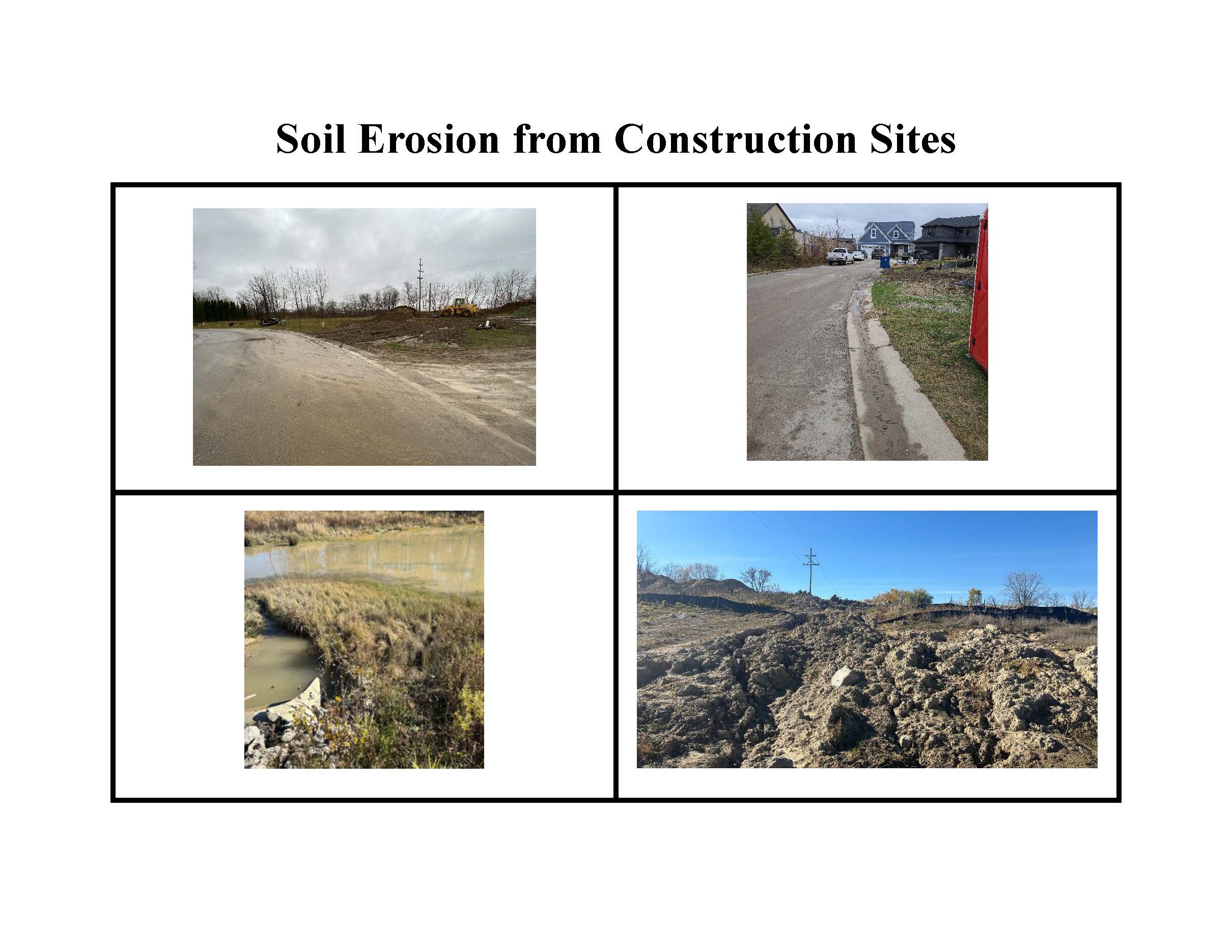
Contact local soil erosion control agency (either the local municipality or county) with evidence of bare soils or banks with no soil erosion control fencing.